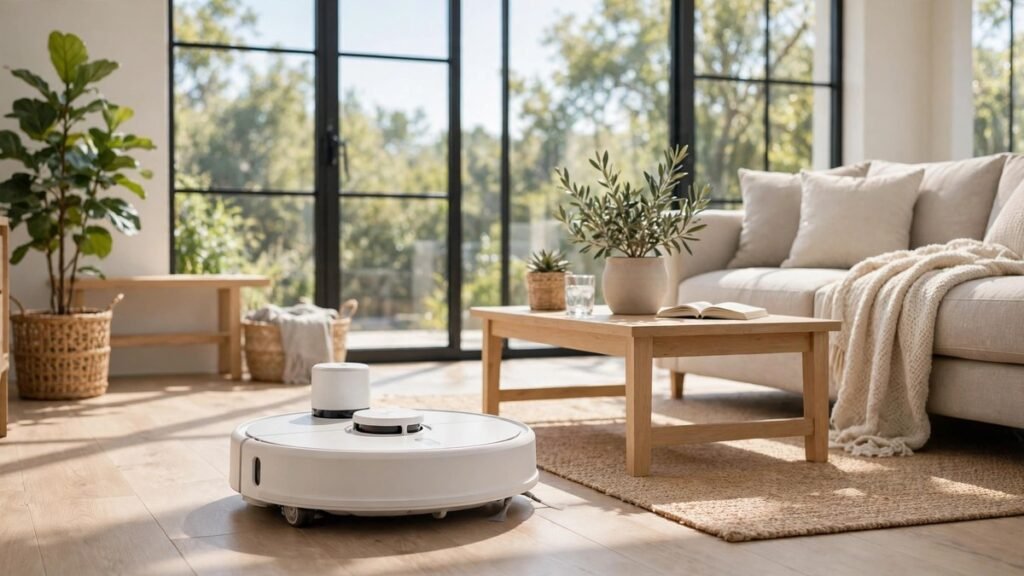
Robot vacuums used to be a niche gadget for people who liked tinkering. That has changed. Demo videos of robot vacuum and mop combos are racking up views on TikTok Shop, with one Roborock Qrevo demo passing 82,000 views, and the broader vacuum category is having a strong run. According to TokConnect, the Shark PowerPro cordless vacuum was the top new product on TikTok Shop, with an estimated $1.00M in revenue over the 30 days to November 11, 2026. That Shark model is a cordless stick vacuum rather than a robot, but the message is the same: people are actively shopping for easier floor cleaning right now.
If you are thinking about joining them, the hard part is not finding a robot vacuum. It is figuring out which kind fits your home. A model that is perfect for a single-story house with hard floors can be frustrating in a small apartment with thick rugs and a lot of furniture legs. This guide walks through the choices that actually matter, so you can match the machine to the mess.
Start with your floors, not the feature list
Before you compare brands, look down. Hard floors, low-pile rugs, thick shag, tile grout, and thresholds between rooms all change what a robot needs to do. A home that is mostly hard floor with a few flat rugs is the easiest assignment. A home with high-pile carpet in every room is the hardest. Be honest about your mix, because that single detail will steer you toward the right type of brush, the right kind of mop, and the right expectations for noise and coverage.
Also count the obstacles. Cords on the floor, pet toys, chair legs, and shoes in entryways are where robots get stuck. If your floors are usually clear, almost any decent model will do fine. If they are not, you will want better obstacle detection and a home layout that gives the robot a fighting chance, which may mean a quick tidy before you press start.
Mapping: the feature that decides where it goes
Mapping is what lets a robot learn your floor plan instead of wandering until the battery gives up. With a map, you can usually tell it to clean one room, skip another, or set a schedule for weekdays only. Without a map, you get a simpler machine that cleans more randomly and may miss corners or revisit the same spot. For a studio apartment, simple navigation can be enough. For a multi-room house, mapping quickly becomes the feature you use most.
Think about how your home changes during the day. If dining chairs move, if a pet bed migrates, if kids leave things on the floor, a mapped robot still needs a reasonably clear path. Maps help, but they do not repeal gravity or clutter. Our Alexa vs Google Home guide is a useful companion if you also want voice control over cleaning routines.
Mopping: helpful, with limits you should know
Vacuum-and-mop combos are the models getting demoed online, and for good reason: hard floors get both dust and spills. A mopping function is best understood as a maintenance tool for light messes, not a replacement for a deep clean. If you have mostly hard floors and light foot traffic, a combo can keep daily grime down between real cleanings. If you have carpet in most rooms, mopping may be a feature you rarely use, and you should not pay a premium for it.
Maintenance matters here too. Any mop system needs its pads cleaned or replaced, and water tanks need attention. If that sounds like one more chore you will skip, a vacuum-only model may leave you happier. The best robot is the one whose upkeep you will actually do.
Self-empty bases: convenience with a footprint
A self-empty base collects debris from the robot into a larger bin, so you empty it far less often. For busy households, pet owners, and anyone who forgets about bins until they overflow, that convenience is real. The trade-off is size and cost. The base takes up floor space near a wall outlet, and it is one more thing to place in a small home. In an apartment, measure the spot before you fall in love with the idea. In a house, the base is often the upgrade people thank themselves for.
Apartment vs house: a quick way to decide
For apartments, prioritize a compact footprint, quieter operation for shared walls, and navigation that handles tight spaces and furniture legs. A self-empty base is nice but optional if space is tight. For houses, prioritize mapping, room-by-room control, and a self-empty base, because the square footage and the number of rooms make automation pay off. Renters should also check noise expectations with neighbors and avoid models that need permanent installation.
Either way, buy for the home you have, not the home in the demo video. Demo videos show a robot gliding across a clear floor in perfect light. Your home has cords, thresholds, and a cat. A good choice accounts for all three.
Frequently asked questions
Do robot vacuums work on thick carpet?
They can, but thick pile is the hardest surface for any robot. Check that a model is designed for your carpet type, and set expectations: it will maintain more than it will deep-clean. Very thick shag may be better served by a cordless stick vacuum for occasional deep passes.
Is a vacuum-and-mop combo worth it?
If your home is mostly hard floor, yes, it can handle daily dust and light spills in one run. If you have mostly carpet, you will rarely use the mop, so a vacuum-only model is usually the better value.
Do I need a self-empty base?
You need one if you dislike emptying bins, have pets, or run the robot often. If you run it rarely and have little space, a standard bin is fine. It is a convenience upgrade, not a cleaning upgrade.
How do I keep a robot vacuum from getting stuck?
Do a quick floor sweep before starting it: pick up cords, toys, and small items, and keep chair legs and pet bowls in consistent spots. Mapping and obstacle detection help, but a clear floor is still the biggest factor.
🛒 Shop This Guide – Buy on Amazon
Disclosure: As an Amazon Associate, Trend Trolley earns from qualifying purchases. The products below are from our verified US product pool and are smart-home companions that pair well with a robot vacuum setup. Prices and availability can change, so please check Amazon for the latest details before you buy.
 Echo Dot 5th Gen – Buy on Amazon
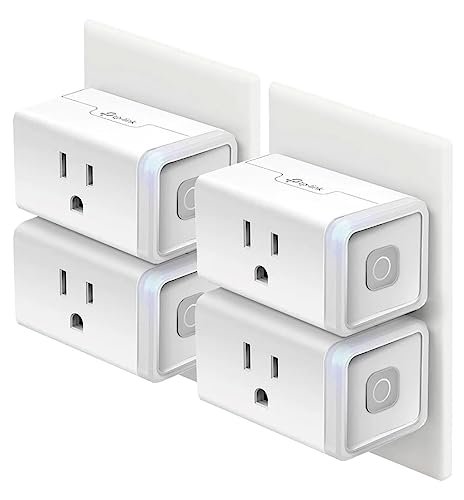 Kasa Smart Plug HS103P4 4-pack – Buy on Amazon
 Kasa Bulb KL110 – Buy on Amazon
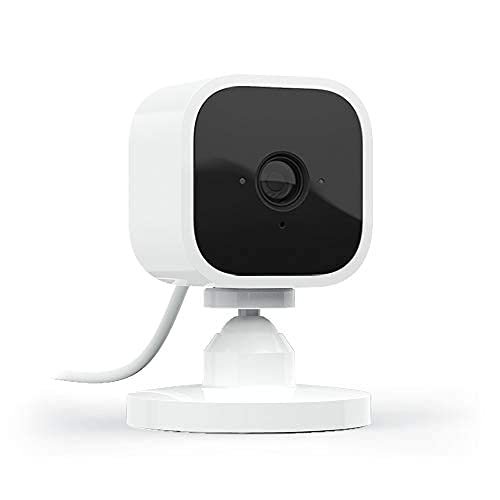 Blink Mini – Buy on Amazon
As an Amazon Associate, Trend Trolley earns from qualifying purchases.