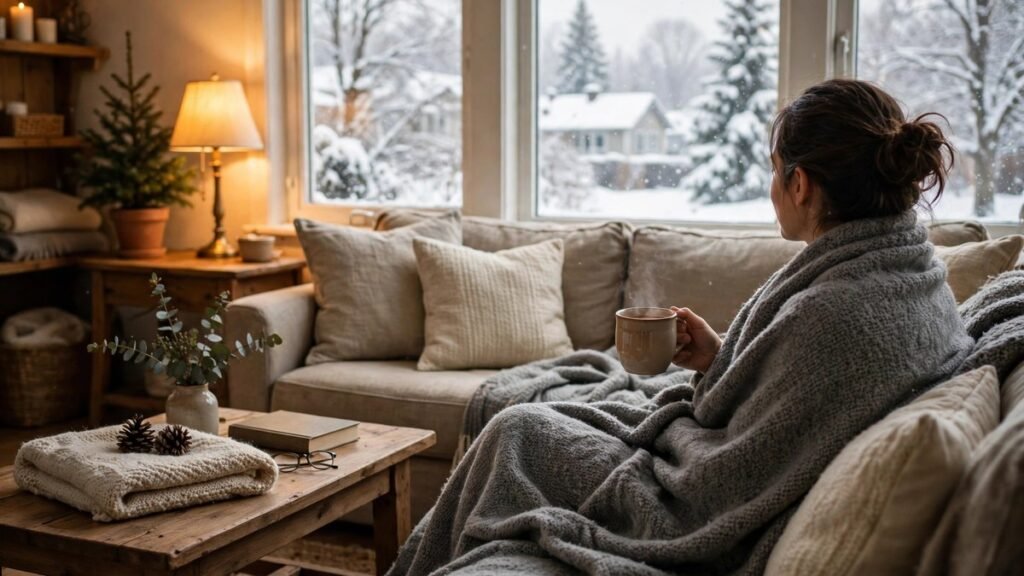
January in the northern US has a particular feeling: you walk into a room and the air just feels thin and cold, even though the heat has been running all day. So you turn the thermostat up two degrees, then two more, and by the time the bill arrives you’re wondering whether the furnace is heating the house or the whole neighborhood.
Here’s the good news: staying warm isn’t mostly about the thermostat. It’s about stopping heat from escaping, warming the person instead of the room, and using the heat you already have more cleverly. Most of these fixes cost almost nothing, and the few that cost money pay for themselves fast.
First, find where the heat is leaving
Before you buy anything, do a ten-minute check. On a cold day, hold your hand near your windows, doors, and any wall vents. If you feel a draft, you’ve found money leaking out of your house. The usual suspects are old window frames, the gap under the front door, and the attic hatch — that pull-down door in the hallway ceiling that most people never think about.
The fixes are cheap and unglamorous, which is exactly why they work. Weather stripping around a drafty door costs a few dollars and takes fifteen minutes to install. A draft stopper — basically a fabric tube — under the door works instantly. Window insulation film, the clear plastic you shrink with a hair dryer, looks invisible once it’s up and makes a real difference on single-pane windows. Do the draft check first; everything else works better after it.
Warm the person, not the house
This is the single biggest mindset shift for winter comfort: you don’t need the whole house at 72 degrees. You need the spot where you’re sitting to feel warm. A heated throw blanket on the couch does that for pennies of electricity compared to heating an empty spare bedroom all evening.
The trick is using it right. Keep the throw where you actually sit — draped over the couch arm, not folded in a closet. Use its lower heat settings; most people set it to high, get too hot, and turn it off, which defeats the purpose. A warm layer over your lap while you watch TV or read lets you drop the thermostat a couple of degrees without noticing. Over a whole winter, those two degrees show up on the bill. Our winter essentials guide covers the gadgets that help most when temperatures drop.
Let the sun do some work
Winter sun is weaker, but it’s still free heat. Open the curtains on south-facing windows during the day and let the sunlight in — it genuinely warms a room, especially one with a dark rug or tile floor that holds the heat. Close those same curtains as soon as the sun goes down, because a bare window at night is basically a hole in your wall.
Thick curtains help even more. If your windows are old, heavy curtains are one of the cheapest upgrades you can make, and they make the room feel cozier too. It’s a rare home fix that helps your heating bill and looks good at the same time.
Use your heating schedule, not your memory
Most people heat their house the same way all day, which means heating an empty house while everyone’s at work or school. A programmable schedule — or a smart plug on a space heater — fixes this without any thought. Set the heat lower while you’re out, warm it up an hour before you get home, and drop it again at bedtime. You sleep better in a cooler room anyway, under a warm blanket.
One warning about space heaters: they’re great for one room and terrible for a whole house. Use them to warm the room you’re in, keep them away from curtains and bedding, and never leave one running unattended. A smart plug with a timer is the safest way to run one — it turns off even if you forget. If you’re buying gear this season, our guide to saving money on gadgets explains how to time purchases around sales.
The small things that add up
A few habits, stacked together, make a noticeable difference. Wear warm socks and a layer indoors — it sounds like something a grandparent would say, and it’s also correct. Use a rug on bare floors; cold floors steal heat from your feet and make the whole room feel colder. Reverse your ceiling fan to push warm air down from the ceiling (most fans have a small switch on the side for this). Cook at home more often — an oven warming the kitchen is a side benefit of dinner.
None of these is dramatic alone. Together, they’re the difference between a house that feels cold at 70 degrees and one that feels fine at 67.
What NOT to do
A few common mistakes make things worse. Don’t crank the thermostat to 80 hoping the house warms up faster — furnaces heat at one speed, and all you get is an overheated house and a shocking bill. Don’t block your vents with furniture; it doesn’t save heat, it just makes the system work harder. And don’t ignore a heating system that smells strange, makes new noises, or heats some rooms and not others — that’s a maintenance call, not a gadget purchase.
Frequently asked questions
What temperature should I set my thermostat to in winter?
Most energy experts suggest around 68 degrees while you’re awake and home, and lower while you’re asleep or away. The exact number matters less than keeping it steady and using blankets and layers for the rest.
Do heated blankets use a lot of electricity?
No — a heated throw uses far less electricity than heating a whole room. Running one on a low or medium setting for an evening costs only a few cents.
Is it safe to use a space heater overnight?
It’s safer not to. Use a space heater to warm a room before bed, then turn it off and rely on blankets. If you do run one, use a timer plug and keep it clear of bedding and curtains.
How do I know if my windows are losing heat?
Hold a lit candle or a thin piece of tissue near the window frame on a windy day. If the flame flickers or the tissue moves, air is getting through — weather stripping or insulation film will help.
Winter comfort isn’t about one big purchase. It’s a draft sealed here, a blanket there, and a thermostat that works when you’re home and rests when you’re not. Do the cheap fixes first, and the expensive ones might never be needed.
🛒 Shop This Guide – Buy on Amazon
Affiliate Disclosure: Trend Trolley is a participant in the Amazon Services LLC Associates Program. If you buy through a link on this page, we may earn a small commission at no extra cost to you. Prices and availability change often, so please check the current price on Amazon before you buy.
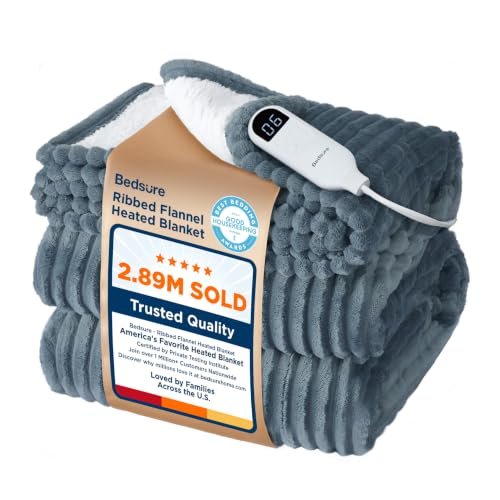
Bedsure GentleSoft Heated Blanket Throw Grey 50×60 – Buy on Amazon
Kasa Smart Plug HS103P2 (2-Pack) – Buy on Amazon
Kasa Smart Bulb KL110 – Buy on Amazon
As an Amazon Associate, Trend Trolley earns from qualifying purchases.